

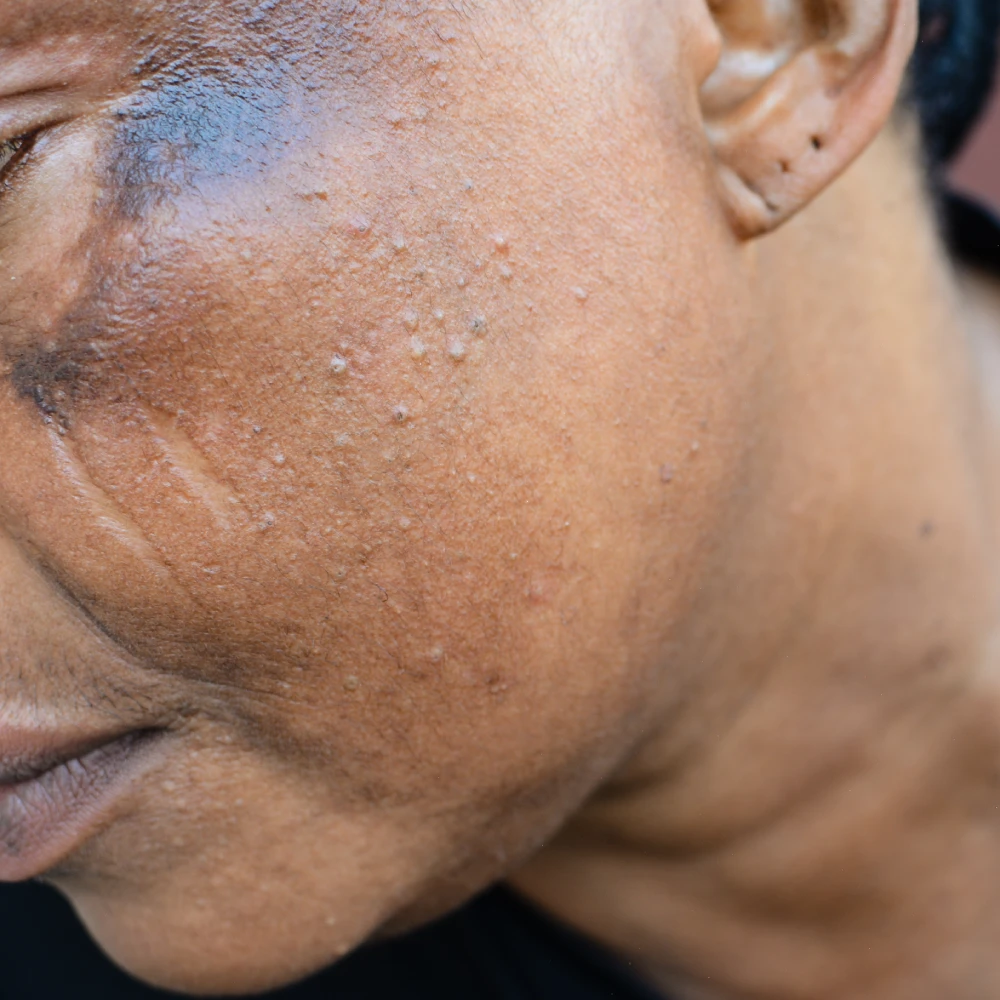
Hyperpigmentation doesn’t discriminate. Whether it’s from hormonal shifts, sun exposure, acne scars, or inflammation, those stubborn dark patches can affect all skin tones—but for patients with deeper complexions, the journey to clear, even skin has historically been more cautious, and in some cases, unfairly limited.
But here’s something most patients still don’t know: laser skin resurfacing treatment for dark spots is no longer off-limits for darker skin tones. Technology has evolved. So have techniques, training, and awareness. With the right tools and the right approach, you can treat pigmentation without compromising the beauty or integrity of melanin-rich skin.
If you’ve been told to “just live with it” or “stick to topicals,” don’t close the tab. This guide was written to open the door to evidence-based, luxury-level solutions designed for you.
Hyperpigmentation removal has finally stepped into a new, inclusive chapter—especially at Recharged Beauty & Wellness, where patient-centered care meets advanced technology.
What Exactly Is Hyperpigmentation?
Let’s get clear on what we’re really talking about.
Hyperpigmentation is the result of melanin overproduction, typically triggered by one or more of the following:
- Sun exposure (UV rays activate melanin)
- Hormonal changes (especially in pregnancy or due to birth control)
- Inflammation from acne, eczema, or injury
- Skin trauma or repeated friction
- Genetics
These factors lead to localized patches of skin that are darker than the surrounding tissue. Some of the most common types include:
- Melasma: Hormonal pigmentation often seen on the cheeks, forehead, or upper lip
- Post-inflammatory hyperpigmentation (PIH): Dark spots left behind after acne or injury
- Solar lentigines: Also known as sun spots or age spots, caused by UV exposure
The tricky part? While melanin is a beautiful and essential skin protector, it also makes treatment more nuanced. Darker skin tones are more reactive to trauma, making it critical to use therapies that calm and correct, not inflame or trigger rebound pigmentation.
This is where modern skin pigmentation treatments—especially laser-based ones—step in with new promise.
Why Laser Hasn’t Always Been an Option
For years, laser therapy was a red flag for darker skin tones—and for good reason.
Older-generation lasers, especially fully ablative and high-heat devices, often carried risks like:
- Burns or blistering
- Post-treatment inflammation
- Worsening pigmentation
- Scarring
This risk profile made physicians hesitant to recommend CO2 laser resurfacing or even IPL (Intense Pulsed Light) for Fitzpatrick skin types IV through VI. But today’s devices are smarter. Calibrated pulse widths, cooler energy delivery, and non-ablative options now make laser treatment for dark spots significantly safer and more precise for melanin-rich skin.
What Makes a Laser “Safe” for Darker Skin?
Now let’s talk about what actually works—and why.
At Recharged Beauty & Wellness, we don’t believe in cookie-cutter solutions. Every skin tone, skin history, and pigmentation pattern is unique. That’s why we use advanced technology like LaseMD Ultra, a non-ablative fractional laser known for its versatility and safety across a broad range of skin tones.
Here’s what makes it an excellent choice for hyperpigmentation removal on deeper complexions:
- Non-ablative energy: Treats the skin from within without damaging the surface
- Fractional delivery: Targets only a percentage of skin tissue at a time, allowing faster healing
- Adjustable wavelengths: Safer customization for darker skin tones
- Minimal thermal injury: Reduces the risk of post-inflammatory hyperpigmentation
So, Is Laser Treatment Safe for Melanin-Rich Skin?
Yes—when done by experienced providers using the right equipment.
We’re not talking about a one-size-fits-all approach. This is about tailored skincare that respects your biology, your pigment, and your goals. With the correct settings and techniques, laser for melasma and PIH is not only possible—it’s highly effective.
That said, it’s not just about the device. The success of CO2 laser resurfacing, non-ablative therapies, or even laser resurfacing for sun spots on darker skin depends on:
- Pre-treatment prep: Including pigment inhibitors or skincare to calm melanocytes
- Timing: Avoiding treatments when the skin is already inflamed or recently tanned
- Aftercare: Using calming agents, SPF, and barrier repair strategies
- Trust: Choosing a provider who understands the physiology of darker skin
At Recharged Beauty & Wellness, our team carefully evaluates skin type, health history, and lifestyle to create a plan that treats pigment and honors your natural skin integrity.
What About Chemical Peels—Are They Safer?
Great question. Chemical peels have long been considered a safer alternative for deeper complexions. But not all peels are created equal. At Recharged, we offer BioRePeel and The Perfect Derma Peel—both of which are excellent options for pigment correction in Fitzpatrick IV–VI skin types.
Here’s how they compare:
Laser Treatments
- Best for targeting deeper pigment and stimulating collagen
- Penetrates into lower layers of skin
- Requires pre- and post-care planning
- Results build over time
Chemical Peels
- Best for superficial pigment or texture issues
- May require a series for deeper melasma or PIH
- Minimal device risk
- Excellent pairing with skincare
And the best news? You don’t have to choose. Many of our patients combine both laser and peels in a custom treatment sequence to target hyperpigmentation from multiple angles—without compromising skin health.
How Many Sessions Do You Need for Results?
Pigment correction is not a one-and-done process. Whether using laser resurfacing or peels, multiple sessions are typically required.
Most patients with hyperpigmentation, melasma, or sun damage need a series of 3 to 6 treatments, spaced 3 to 4 weeks apart, to see significant results. You’ll often begin to see improvement after the first or second session, with continued fading and brightening over time.
For more resistant pigmentation, especially post-inflammatory hyperpigmentation or melasma that’s been present for years, combining treatments with a clinical skincare routine at home will amplify your progress.
What to Expect Post-Treatment
Let’s keep it real—no treatment is completely zero-downtime, but laser therapies like LaseMD Ultra are as close as it gets.
You may experience:
- Mild redness or warmth immediately after treatment
- Light flaking or dryness for a few days
- Slight darkening of pigment before it sloughs off
This is part of the melanin turnover process. With proper SPF use and gentle skincare, your skin will recover quickly—and reward you with clarity, tone, and radiance that looks natural and luminous.
The Bigger Picture: Skincare Beyond Pigment
Correcting hyperpigmentation is about more than just erasing dark spots—it’s about restoring confidence and cultivating long-term skin health.
Laser resurfacing, peels, and tailored skincare work together to:
- Even out skin tone
- Soften fine lines
- Boost collagen
- Reduce inflammation
- Improve glow and elasticity
When we treat pigment properly, we often reveal a more youthful, even-textured complexion that reflects who you are—not what your skin has been through.
The Next Chapter for Your Skin Starts Here
Too often, patients with darker skin tones are excluded from the conversation about advanced skincare. At Recharged Beauty & Wellness, we believe that every patient deserves powerful tools and personalized care—especially when it comes to pigment correction.
Our providers are deeply trained in treating skin of color with nuance, science, and integrity. Whether you’re dealing with melasma, acne scarring, sun spots, or post-inflammatory hyperpigmentation, we’re here to guide you toward lasting, visible results—without sacrificing your skin’s safety or vibrancy.
Because when your skin reflects your inner glow, everything feels a little more aligned.

Let’s Talk About Your Skin Goals
Summer may have left its mark—but you don’t have to live with the evidence. Whether you’re exploring laser skin resurfacing treatment for dark spots, chemical peels for melasma, or a combined plan for brighter, more even-toned skin, Recharged Beauty & Wellness in Montrose, NY, is ready to meet you exactly where you are.
Book your consultation today, and let’s create a plan that doesn’t just treat your pigment—but respects your radiance!